Your Home Comfort Starts Here
What Is A BTU?
When researching heating and air conditioning systems, the term “BTU” comes up often. Whether you’re browsing for a new furnace or getting an air conditioner estimate, understanding BTUs is essential to making the right choice for your home’s comfort and energy efficiency. BTU stands for British Thermal Unit, and it plays a critical role in determining how effectively an HVAC system will heat or cool your space.
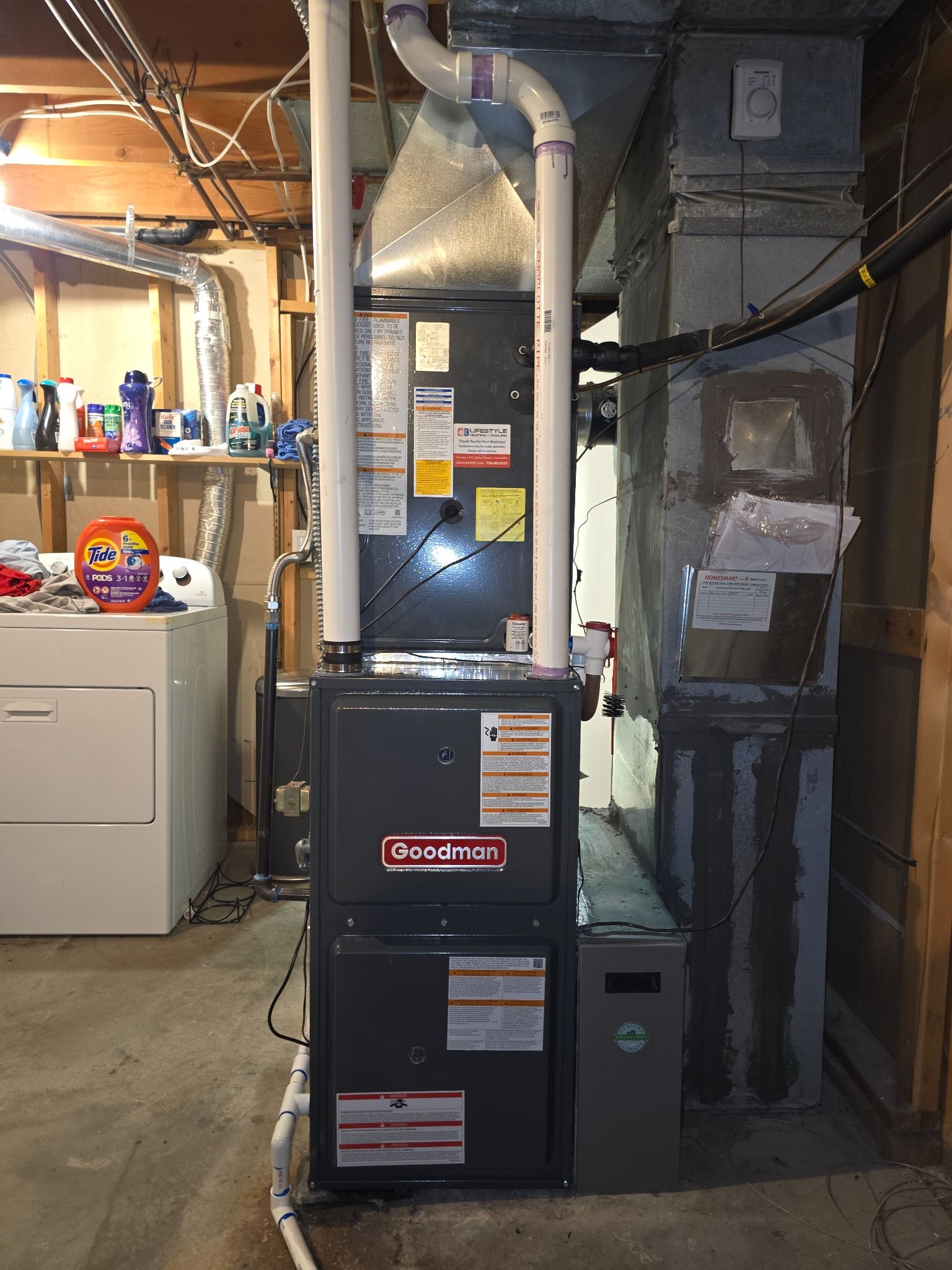
Defining BTU: The Basics
A British Thermal Unit is a measurement of energy. Specifically, it’s the amount of energy required to raise the temperature of one pound of water by one degree Fahrenheit. In the HVAC industry, BTUs are used to denote the heating or cooling power of equipment. The higher the BTU rating, the greater the system’s capacity to change the temperature within a specific timeframe.
For example, a furnace rated at 60,000 BTUs can add more heat to your home in less time than one rated at 40,000 BTUs. Conversely, an air conditioner’s BTU rating refers to how much heat it can remove from indoor air per hour.
Why BTUs Matter for Your Home
Selecting the right BTU capacity is about more than just picking the biggest number you see. If you choose an HVAC unit with too high of a BTU rating for your living space, it may heat or cool the area so rapidly that it cycles on and off frequently, causing inefficient operation and potential wear on the system. A unit with too low of a BTU rating, on the other hand, will struggle to keep up, leading to uncomfortable temperatures and increased energy costs.
Several factors determine the ideal BTU rating for your home, including:
-
Square footage of the area to be conditioned
-
Ceiling height
-
Number of windows and their efficiency
-
Home insulation quality
-
Local climate
Aurora, Colorado, for instance, experiences cold winters and warm summers, so both heating and cooling needs can be significant depending on the season.
BTUs and HVAC System Sizing: Local Considerations
Proper BTU calculation is a critical aspect of professional HVAC installation. In Aurora’s mixed climate, technicians at Lifestyle Heating and Cooling assess several variables unique to area homes, such as exposure to wind, UV from elevation, and home construction style. Factors like these influence the recommended BTU count for both furnace installation and air conditioning replacement services.
If your current system cycles too often or fails to maintain the desired temperature, it could be a sign that the BTU capacity is not correctly matched to your home. Local professionals use detailed load calculations rather than basic rules of thumb to determine the best fit, resulting in higher efficiency and comfort.
How to Determine the Right BTU Requirement
While online charts offer rough BTU guidelines based on square footage, it’s important to get a personalized assessment. A qualified HVAC contractor, like the team at Lifestyle Heating and Cooling, will:
-
Analyze your floor plan and insulation
-
Check your windows and sun exposure
-
Factor in lifestyle habits and typical occupancy
Aurora’s weather patterns, such as sudden temperature drops or hot summer afternoons, can impact a system’s performance. Tailored BTU calculations ensure your heating and cooling solutions remain effective and energy efficient throughout the year.
Contact Lifestyle Heating and Cooling for Expert BTU Help in Aurora, CO
If you’re considering upgrading your HVAC system or you’re unsure if your current unit’s BTU rating is right for your home, turn to Lifestyle Heating and Cooling in Aurora, CO. Our experienced technicians offer precise BTU assessments and recommend the ideal HVAC repair or replacement for your needs. Call us at (720) 483-9557 or complete our online form to schedule your personalized consultation today.