Your Home Comfort Starts Here
How Do You Find Your Optimal Sleep Temperature?
Getting high-quality sleep is essential for both physical health and mental well-being. One factor people often underestimate is the impact of room temperature on the ability to fall asleep and stay asleep throughout the night. Understanding your optimal sleep temperature and adjusting your HVAC system accordingly makes a significant difference, especially with the varying climate experienced in Aurora’s high plains. This guide explores how to determine your ideal sleep temperature and practical steps for keeping your bedroom comfortable, no matter the season.
Understanding the Science Behind Sleep and Temperature
Research shows that body temperature naturally decreases during sleep, which signals the brain that it is time to rest. When your bedroom is too hot or too cold, this process is disrupted, leading to frequent awakenings or poor sleep quality. Most sleep experts suggest that the ideal sleeping temperature for most adults ranges from 60 to 67 degrees Fahrenheit. However, personal preferences, age, health conditions, and even bedding material can all influence what is most comfortable for you.
Factors That Influence Your Sleep Temperature Needs
Several factors affect how warm or cool you may feel at night:
-
The insulation and construction of your home
-
Humidity levels indoors
-
The presence of ceiling fans or standalone units
-
Seasonal changes, especially the chilly winters and warm summers common in Aurora
-
Individual metabolic rates and health history
Knowing these variables helps you customize your sleep environment using your HVAC system and healthy sleep habits.
Tips for Finding and Maintaining Your Optimal Sleep Temperature
Experimentation is key to discovering your comfort zone, but you can start by trying the recommended 60 to 67 degree range. Here are steps you can take to achieve and maintain that setting:
-
Set your thermostat a few degrees lower in the evening, and monitor how you feel during the night.
-
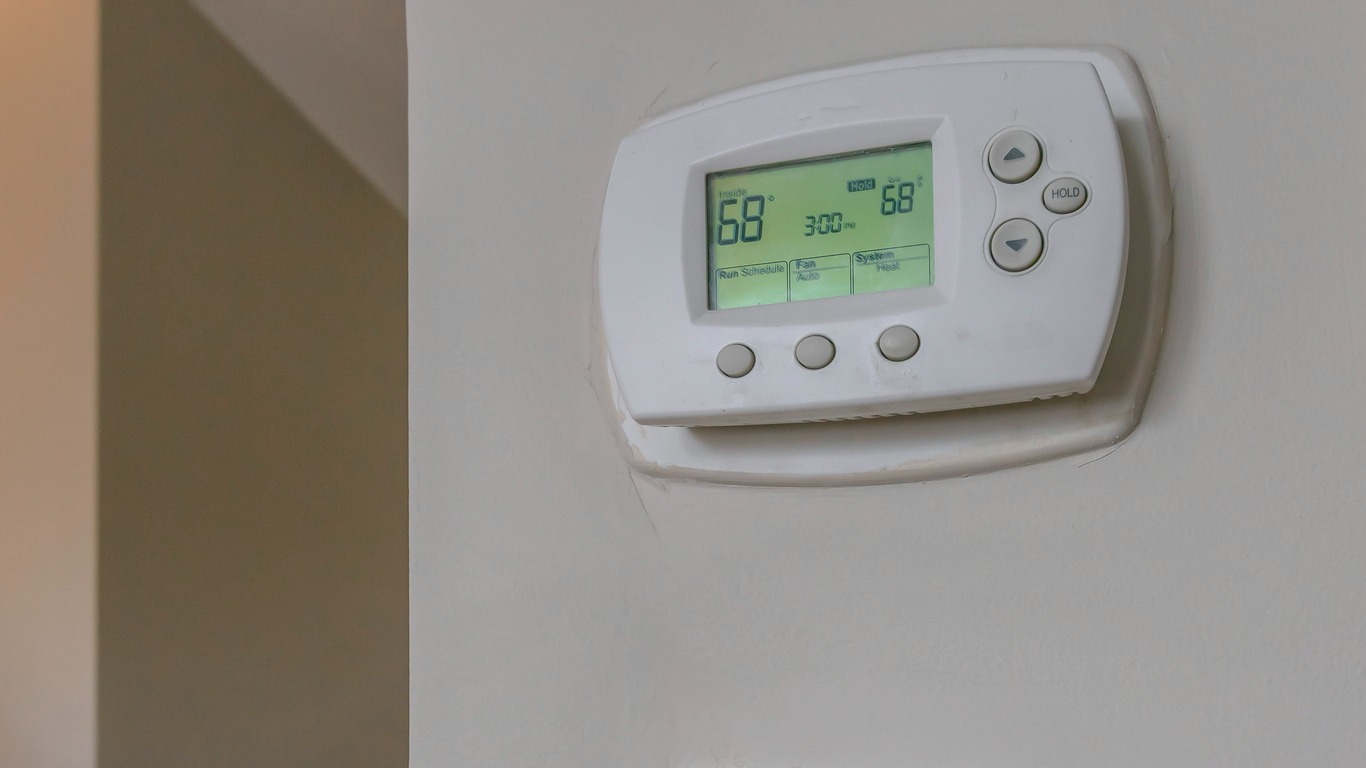
Use a programmable thermostat so your heating and cooling services can adjust automatically based on your schedule.
-
In winter, keep drafts at bay with proper insulation and use cozy bedding to reduce reliance on heaters.
-
In summer months, consider air conditioning installation if window units or fans cannot keep up with warm nights.
-
If sharing a room, compromise on the temperature and invest in personal sleep aids like cooling blankets or heated mattress pads.
-
Monitor indoor humidity as well, since high levels can make you feel warmer and disrupt sleep. Utilize dehumidifiers or humidifiers as needed.
Real-World Examples from Aurora Homes
Many households in Aurora report that during late fall and winter, their central heating system works overtime, sometimes making bedrooms too warm and stuffy. Others struggle to cool specific rooms during heat waves in July. In both situations, homeowners found comfort by using zoned HVAC systems or smart thermostats, which enabled more precise temperature control from room to room. These adjustments not only maximized sleep quality but also helped lower utility costs over the seasons.
When to Call a Professional for Help
If you find it challenging to achieve the perfect sleep temperature, there may be underlying issues with your current HVAC setup. An older or poorly maintained unit, leaky ductwork, or inconsistent airflow can all compromise comfort. Professional assessment and regular HVAC maintenance ensure your system operates efficiently, is properly sized for your home, and delivers even temperatures throughout all bedrooms.
Contact Aurora’s Sleep Comfort Specialists
Sleep shouldn’t be left to chance, especially with Colorado’s dynamic weather patterns. If you encounter temperature fluctuations that disturb your rest, or want to explore advanced solutions like smart thermostats or zone control, reach out to Lifestyle Heating and Cooling. Serving Aurora, CO, our team is available to help you optimize your bedroom climate for restful, uninterrupted sleep year-round. Call (720) 483-9557 or complete our online form today to schedule a consultation or request more information.