Your Home Comfort Starts Here
Heat Pump vs. Furnace
If you are weighing the decision between installing a heat pump or a furnace for your home, it is important to know how each system operates, especially with the seasonal climate shifts in Colorado. Both heating systems have distinct benefits and learning which one aligns best with your needs can save you energy, money, and maintain consistent comfort indoors during Aurora’s variable winters.
How Heat Pumps Work in Cold Climates
Heat pumps are known for their versatility because they can both heat and cool your home. They work by transferring heat rather than generating it, making them highly energy efficient. In Aurora’s climate, where temperatures can dip below freezing but can also have milder winter days, a heat pump can effectively keep your home comfortable for most of the year.
During the colder months, cold-climate heat pumps have improved technology to extract heat from the outside air—even when it’s brisk outdoors. However, on the coldest winter nights, supplemental heating, such as a backup electric resistance coil, might be needed. Maintenance is straightforward, but regular seasonal check-ups by an HVAC contractor are essential to keep the system running efficiently.
Advantages and Considerations of Furnaces
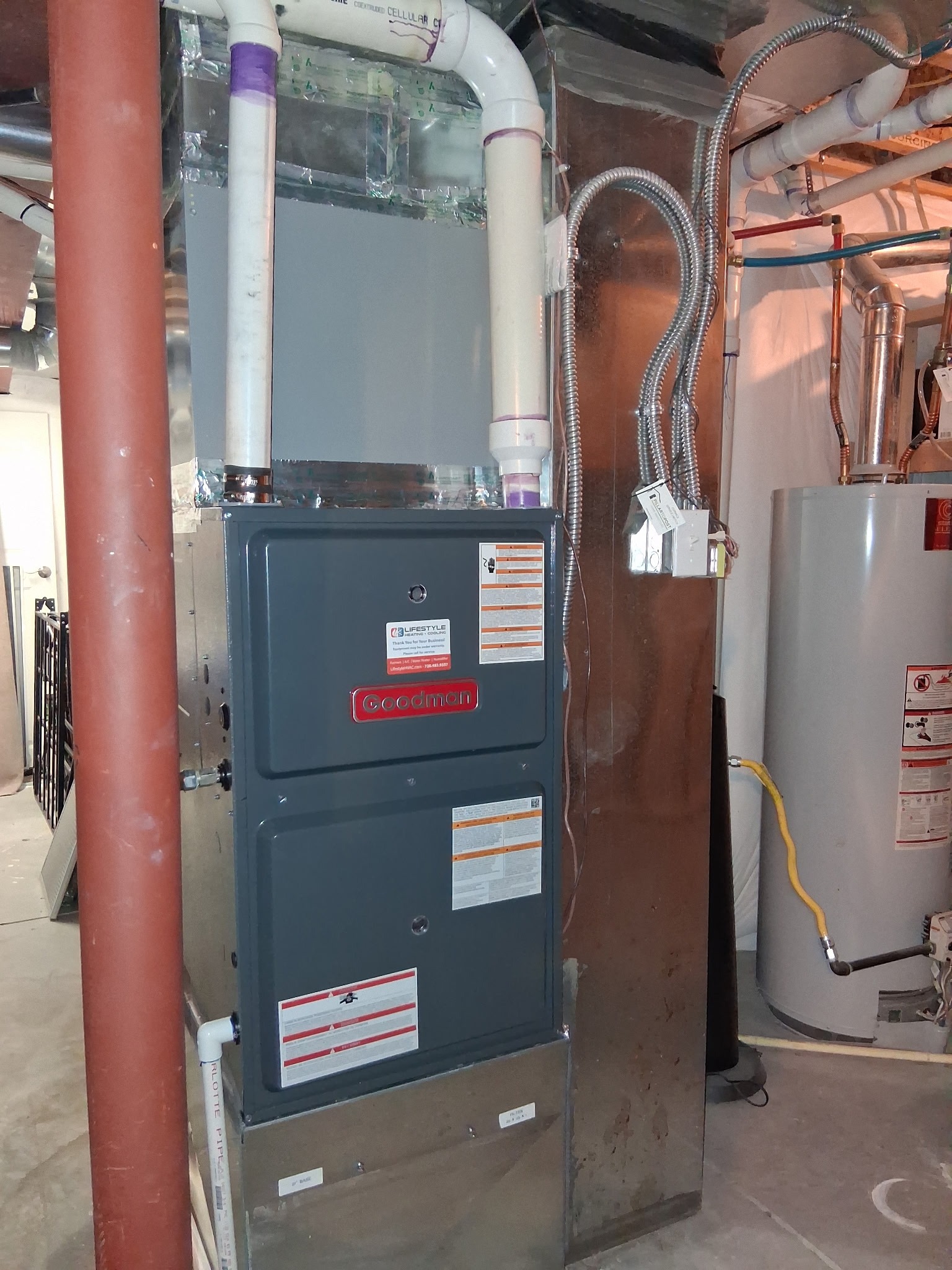
Furnaces, particularly gas furnaces, have long been favored for Aurora homes because of their reliable and powerful heating. They produce heat by burning fuel (typically natural gas), making them well-suited for homes experiencing the coldest Colorado nights. A modern, high-efficiency furnace can quickly provide consistent warmth, and many homeowners find that this method feels warmer than the air provided by heat pumps.
However, furnaces cannot cool your home; a separate air-conditioning unit is necessary for summer. Also, the cost of natural gas and the requirement for venting carbon monoxide safely add to the considerations when choosing this system. Regular maintenance is vital; annual inspections and filter changes ensure safe, efficient operation.
Energy Efficiency and Operating Costs
One of the main reasons homeowners compare heat pumps to furnaces is operating efficiency and long-term cost. Heat pumps tend to be more energy efficient since they move heat rather than create it, consuming less electricity than traditional electric furnaces. Natural gas furnaces, depending on the fuel market and appliance efficiency, can also be cost-effective, especially during lengthy cold snaps.
Homeowners in Aurora often look at life-cycle costs. Initial installation costs for heat pumps can be higher, but those costs may be offset by lower monthly energy bills, especially during shoulder seasons. In contrast, a furnace may be less costly to install if gas lines already exist, but operational costs will depend on gas prices and furnace efficiency ratings.
Which System is Right for Your Home?
The right choice depends on your home’s existing infrastructure, budget, and comfort preferences. Consider the following:
-
Is your home already equipped with a gas line?
-
Do you need both heating and cooling in one system?
-
Are you looking for lower monthly energy bills?
-
How important is a quick, powerful heat source on freezing nights?
A dual-fuel system, which combines both a furnace and a heat pump, is a solution some Aurora homeowners select. These systems automatically switch between electric and gas, depending on which is more efficient at a given temperature.
Get Local Guidance on Your Heating Choices
If you are considering a heat pump installation, looking to upgrade your furnace repair solution, or curious about the most efficient heating for your Aurora, CO home, the team at Lifestyle Heating and Cooling is here to help. Get personalized advice from local HVAC technicians who truly understand our unique Colorado weather. Call us today at (720) 483-9557 or fill out our simple online form to schedule a no-obligation home assessment and discuss your heating options with the experts who know Aurora best.